





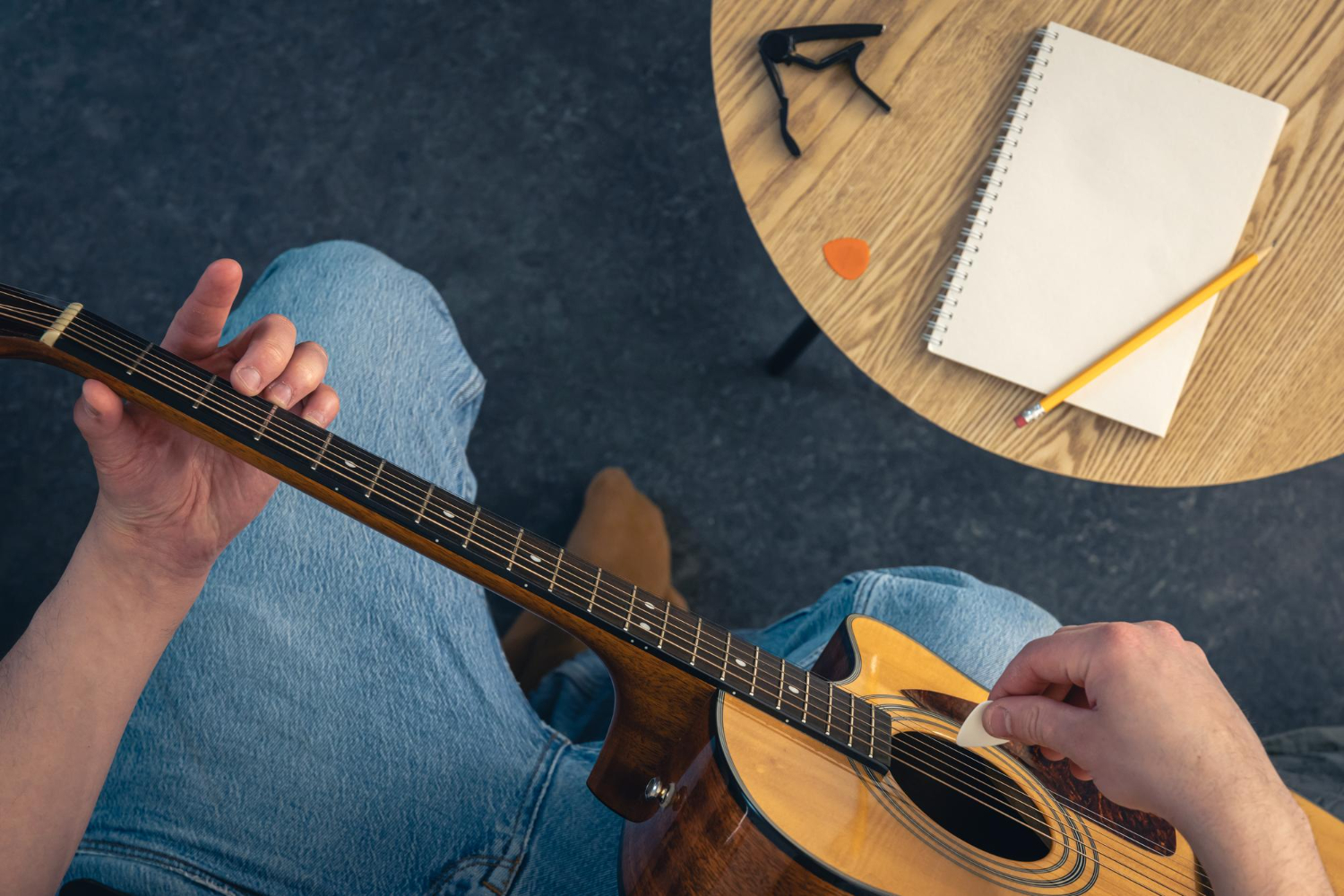
A Beginner’s Guide for Silver Spring Students
Selecting the right guitar for beginners in Silver Spring is one of the most influential decisions a new student makes when starting their musical journey. A well-chosen guitar shapes technique, comfort, enjoyment, tone development, and overall consistency in practice. We guide students and families in Maryland with a detailed, structured approach so that their first guitar becomes a foundation for confidence rather than confusion.
Understanding the Difference: Classical, Acoustic & Electric Guitars
The first choice every new student faces is selecting between classical, steel-string acoustic, and electric guitars. Each model supports a different physical feel, learning curve, and tonal palette.
Classical Guitars (Recommended for Most Beginners)
- Nylon strings reduce finger soreness, ideal for young learners or adults starting fresh.
- Wider fretboards support correct finger spacing and foundational technique.
- Warm, mellow tone suited for classical, Latin, fingerstyle, jazz intro studies.
- Most instructors in Silver Spring recommend classical models as the best starter classical guitar in Maryland due to comfort and long-term technical benefits.
Steel-String Acoustic Guitars
- Brighter, sharper tone suitable for folk, rock, and pop.
- Higher string tension makes early practice demanding for beginners.
- Thinner neck profile benefits older teens and adults with stronger hands.
Electric Guitars
- Light string tension, slim necks, and effortless fretting.
- Tone versatility: rock, metal, fusion, blues, indie.
- Requires amplifier investment which increases overall cost.
Choosing Size: Proper Fit Matters for Technique & Comfort
Selecting the wrong guitar size leads to posture strain, wrist tension, shoulder collapse, and slow progress. For young Silver Spring students, sizing is critical.
| Player Age / Height | Classical Guitar Size |
|---|---|
| Ages 4–6 / Petite students | 1/4 size |
| Ages 6–9 | 1/2 size |
| Ages 9–12 | 3/4 size |
| Teens & Adults | Full size (4/4) |
We always advise students to choose the instrument based on reach, not age alone. A guitar must support natural hand arching, elbow alignment, and shoulder drop rather than forcing tension.
Tonewoods and Their Influence on Beginner Progress
A quality student guitar should be durable, resonate clearly, and respond evenly across bass, mid, and treble frequencies.
Cedar Top
- Warm, responsive, rich tone
- Ideal for classical beginners seeking sensitivity and expressive play
Spruce Top
- Bright, projecting tone
- Excellent for finger precision and developing tonal clarity
Mahogany Back & Sides
- Woody, focused midrange
- Traditional classical build favored in Maryland conservatory student models
Rosewood Back & Sides
- Deep bass, shimmering high register
- Often found on premium student upgrade models
Strings & Setup: Why Comfort Defines Consistency
A guitar is only effective if the student can practice without pain or resistance. The primary cause of beginner frustration is high action, meaning strings sit too far above the fretboard.
Proper Beginner Setup Checklist
- Low, even action along the neck
- Smooth fret edges without metal protrusion
- Correct saddle height
- Balanced intonation
- Fresh nylon strings (for classical)
A well-set instrument leads to cleaner tone, better hand independence, and faster musical progression.
Top Recommended Student Guitar Models for Silver Spring
These beginner-friendly guitars combine durability, tonal responsiveness, and correct ergonomic design:
Yamaha C40 / C40II
- Ideal guitar for beginners in Silver Spring
- Stable neck, reliable tuning, responsive nylon strings
Cordoba C3M & C5 Series
- Warm cedar tone and professional craftsmanship
- Popular among Maryland conservatory students
Kremona Soloist Series
- Handcrafted European tonewoods
- Premium option for accelerated classical study
Alhambra 1C & 2C
- Wide dynamic tone range
- Excellent for advancing students aiming for performance study
Buying vs. Renting: What Silver Spring Families Should Know
Buying
- Long-term value
- Full ownership encourages practice consistency
- Allows students to bond with their instrument
Renting
- Short-term affordability
- Risk-free entry if unsure of student commitment
- Useful for children still growing in size and reach
In Silver Spring music education programs, many instructors recommend rent-to-own systems so students can learn and then transition into full ownership smoothly.
Accessories Every Beginner Must Have
Beginners often overlook essential tools that directly impact technique development.
Must-Have List
- Footstool or guitar support (improves ergonomic posture)
- Tuner (maintains pitch accuracy)
- Nylon replacement string set
- Soft padded gig bag
- Music stand (prevents neck strain)
- Metronome (accuracy in rhythm counting)
- Humidifier (protects tonewoods in Maryland’s seasonal humidity shifts)
Proper accessories create discipline, reduce physical discomfort, and maintain guitar lifespan.
Instructor Guidance: Why It Matters Early
Even the best starter classical guitar in Maryland cannot compensate for poor learning structure. Professional instruction supports:
- correct hand shape development
- fingernail tone control
- sight-reading literacy
- rhythmic subdivision
- repertoire progression suited to student level
We provide personalized placement, technical guidance, and weekly evaluation to ensure students not only own the right instrument but learn to use it with artistry and control.
Final Thoughts: Your First Guitar Should Inspire You
The right guitar is more than an instrument; it is a partner in the earliest stages of musical growth. For Silver Spring beginner guitar students, the instrument must feel comfortable, encourage daily practice, and respond beautifully to touch. With proper sizing, tonewood selection, setup evaluation, and guided instruction, new players build skill, confidence, and a lifelong connection to music.


Comments are closed